Understanding Sleep Apnea: Symptoms, Risks, and Treatment
Sleep is as fundamental to our health as a balanced diet and regular exercise. However, for millions of people, a good night's rest is interrupted by a silent and often undiagnosed condition known as Sleep Apnea. It is a serious sleep disorder where breathing repeatedly stops and starts throughout the night. If you snore loudly or feel tired even after a full night's sleep, you might be suffering from this condition without even realizing it.
1. What Exactly is Sleep Apnea?
Sleep apnea occurs in two main forms: Obstructive Sleep Apnea (OSA) and Central Sleep Apnea. OSA is the more common form, where the muscles in your throat relax excessively, causing a physical blockage of the airway. Central sleep apnea, on the other hand, occurs when your brain fails to send the proper signals to the muscles that control breathing. In both cases, the oxygen levels in your blood drop, forcing your brain to briefly wake you up so you can reopen your airway. These "micro-awakenings" can happen dozens or even hundreds of times in a single night, destroying your sleep quality.
2. Identifying the Red Flags: Common Symptoms
The most notorious sign of sleep apnea is loud, persistent snoring, followed by silent pauses and then gasping or choking sounds. However, symptoms aren't just limited to the night. During the day, patients often experience extreme morning headaches, excessive daytime sleepiness (hypersomnia), irritability, and difficulty concentrating. Because these symptoms develop gradually, many people mistake them for signs of stress or aging, rather than a medical disorder that needs attention.
3. The Hidden Risks to Your Health
Ignoring sleep apnea can lead to severe, long-term health complications. When your body is repeatedly deprived of oxygen, it puts immense strain on your cardiovascular system. Research has shown that untreated sleep apnea is directly linked to high blood pressure (hypertension), heart attacks, and abnormal heart rhythms like atrial fibrillation. Furthermore, it increases the risk of Type 2 diabetes and liver problems. There is also a significant safety risk: people with untreated sleep apnea are much more likely to be involved in motor vehicle accidents due to daytime fatigue.
4. How is Sleep Apnea Diagnosed?
If you or your partner suspect you have sleep apnea, the first step is a professional evaluation by a pulmonologist or a sleep specialist. The "gold standard" for diagnosis is a sleep study, also known as polysomnography. During this study, you are monitored overnight in a clinical setting where sensors track your heart rate, breathing patterns, blood oxygen levels, and brain activity. Alternatively, home sleep apnea tests are now available for many patients, allowing for a preliminary diagnosis in the comfort of your own bed.
5. Modern Treatment Options
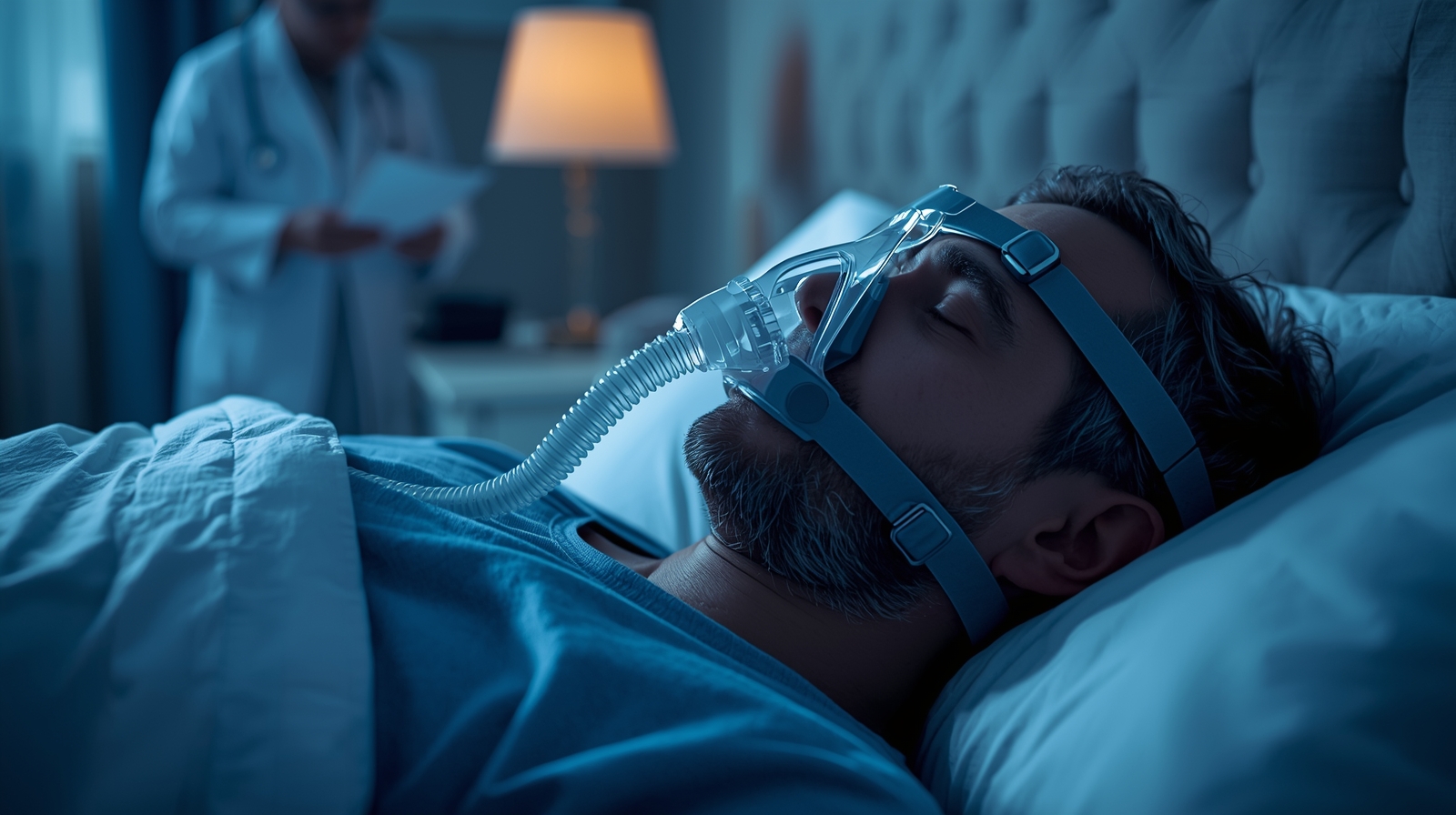
The good news is that sleep apnea is highly treatable. For mild cases, lifestyle changes such as losing weight, quitting smoking, or changing your sleeping position (avoiding sleeping on your back) can make a huge difference. For moderate to severe cases, Continuous Positive Airway Pressure (CPAP) therapy is the most effective treatment. A CPAP machine delivers air pressure through a mask, keeping your upper airway passages open while you sleep. Other options include oral appliances designed to keep the throat open or, in specific cases, surgical procedures to remove excess tissue from the throat.
6. Tips for a Better Night’s Sleep
Improving your sleep hygiene can complement your medical treatment. Establishing a consistent sleep schedule, keeping your bedroom dark and cool, and avoiding caffeine or heavy meals before bedtime can help. If you use a CPAP machine, consistency is key. It may take a few nights to get used to the mask, but the long-term benefits for your heart and brain health are invaluable.
Conclusion: Breathe Better, Live Better
Sleep apnea is more than just a snoring problem; it is a serious medical condition that impacts every aspect of your well-being. By recognizing the symptoms early and seeking professional help, you can reclaim your energy, protect your heart, and significantly improve your quality of life. At Chandan Hospital, our pulmonology and sleep experts are dedicated to helping you find the right solution for a restful, healthy night.