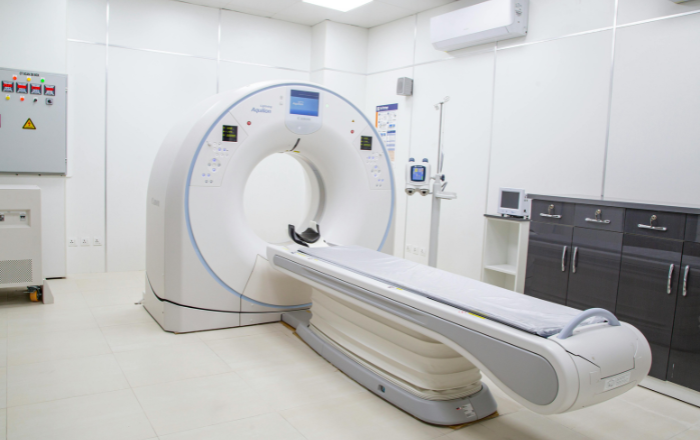
Essential MRI Safety Guidelines Every Patient Should Know
Magnetic Resonance Imaging (MRI) is a revolutionary diagnostic technology that allows doctors to see high-resolution images of your body’s internal structures. Unlike X-rays or CT scans, MRI does not use ionizing radiation. Instead, it relies on powerful magnetic fields and radio waves. Because the magnetic field is extremely strong, following safety protocols is not just a formality—it is a critical necessity for patient safety and image accuracy.
1. The Power of the Magnet: Why Metal is Forbidden
The MRI machine is essentially a giant, always-on magnet. Even when the machine isn't scanning, the magnetic field is active. Metallic objects can become dangerous projectiles if brought into the room. Common items like hairpins, jewelry, watches, credit cards, and even some pens can be pulled toward the machine with immense force. Beyond physical safety, metal objects cause "artifacts" or distortions in the images, making it difficult for radiologists to provide an accurate diagnosis.
2. Disclosing Internal Medical Implants
Perhaps the most crucial step in MRI safety is informing your medical team about any internal devices. Certain implants are "MRI-safe," while others are strictly "MRI-unsafe." Devices like older pacemakers, cochlear implants, certain brain aneurysm clips, and metal fragments in the eye can be shifted or heated by the magnetic field, leading to serious injury. Always provide your doctor with the make and model of any implant you have so they can verify its compatibility before the scan.
3. Understanding Contrast Agents and Allergies
In many cases, a contrast dye called Gadolinium is injected into the bloodstream to highlight specific tissues or blood vessels. While Gadolinium is generally very safe, it is vital to disclose any history of kidney disease or previous allergic reactions to contrast media. Patients with severe kidney impairment may need blood tests before the procedure to ensure their body can safely process and eliminate the dye.
4. Managing Claustrophobia and Anxiety
An MRI scanner is a tunnel-like structure, and the procedure can take anywhere from 20 to 60 minutes. For patients who suffer from claustrophobia, this can be a stressful experience. To help, we provide "panic buttons" so you can alert the technician at any second. Many patients find success using breathing techniques, listening to music through specialized headphones, or, in some cases, requesting a mild sedative from their physician prior to the appointment.
5. Why You Must Remain Perfectly Still
The precision of an MRI scan depends entirely on the patient’s ability to remain still. Think of it like taking a long-exposure photograph; even a tiny movement can blur the final result. If the images are blurred, the scan may need to be repeated, prolonging your visit. Our technicians use specialized cushions and bolsters to help you stay comfortable and motionless during the high-resolution sequences.
6. Hearing and Noise Protection
During the scan, the machine produces loud knocking or thumping noises. These sounds are a normal part of the imaging process as the magnetic coils turn on and off. To protect your hearing and make the experience more pleasant, patients are provided with earplugs or noise-canceling headphones. If you are sensitive to noise, don't hesitate to ask for extra protection to ensure your comfort throughout the session.
Conclusion: A Safe Path to Diagnosis
When protocols are followed, an MRI is one of the safest and most effective tools in modern medicine. By being transparent about your medical history and following the guidance of the radiology team, you ensure that your diagnostic journey is both safe and successful. At Chandan Hospital, our priority is providing world-class imaging while maintaining the highest standards of patient care.